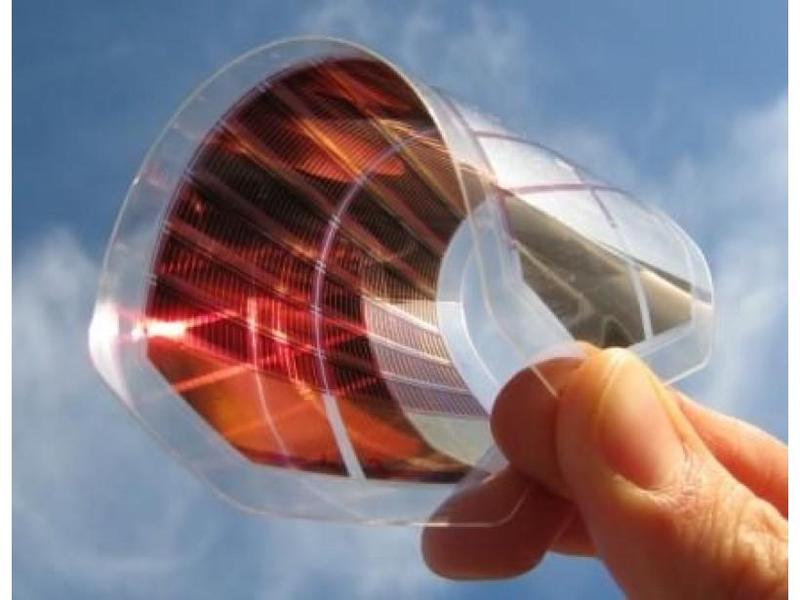
Flexible Electronics Circuit Diagram Flexible electronics demand multifunctional human-machine interfaces (HMIs) and organic user interfaces (OUIs). Existing deformable displays often rely on mechanical wires or hinges, limiting Structural design is a critical approach to achieve high stretchability in flexible electronic devices. Through clever structural design, highly stretchable devices with two- and three-dimensional architectures can be engineered from customary rigid materials and maintain an appropriate level of protection measures against externally applied loads. Flexible electronics, also known as flex circuits, Depending on design requirements, double-sided flex circuits can be fabricated with protective coverlayers on one, both or neither side of the completed circuit, but are most commonly produced with the protective layer on both sides. One major advantage is that it allows easy crossover

For complex circuit design in flexible electronics and to predict their response under different bending condition precisely, it is necessary to understand these variations and implement The concept of flexible electronics has been around for several decades. In principle, anything thin or very long can become flexible. While cables and wiring are the prime example for flexibility, it was not until the space race that silicon wafers used for solar cells in satellites were thinned to increase their power per weight ratio, thus allowing a certain degree of warping. Additive manufacturing (AM) for printed flexible electronics draws upon a digital design file to deposit material, layer upon layer, to construct 3D-printed electronic components and systems. For AM processes to scale at the industrial level, a series of complex, connected, and data-driven events need to occur.
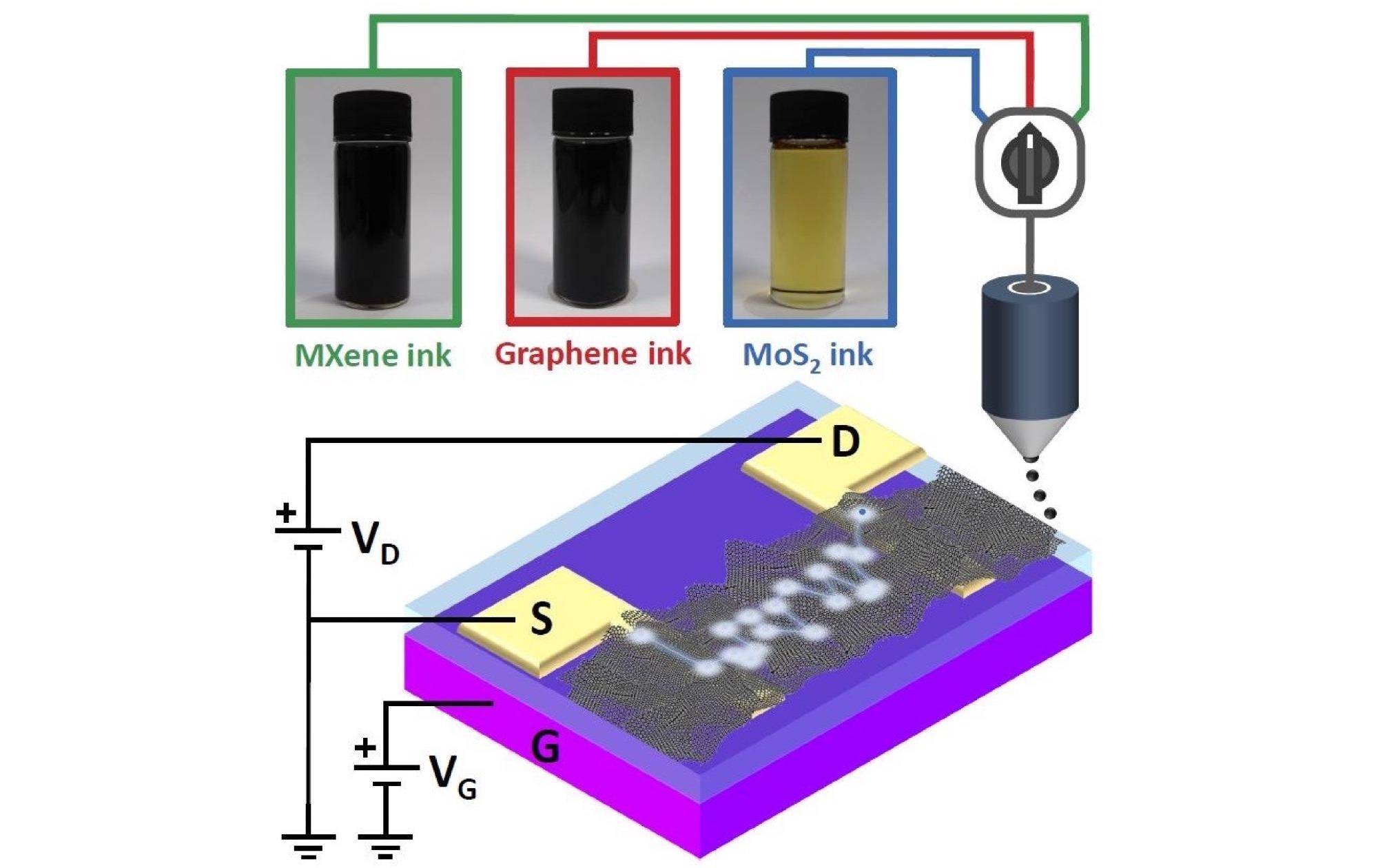
Structural Design of Flexible and Stretchable Electronics Circuit Diagram
• Next generation flexible electronics systems -Multi-functional electronic sheets for sensing, detection, processing, storage, and communication -Complex integration of various circuit components • Multi-disciplinary effort key to success -Ink and material development -Transistors and interconnect design The flexible thermoelectric generators were wearable and could be degraded and recycled, which promotes the sustainable development of flexible electronics . Li et al. designed a skin heater by screen printing ink with suitable viscosity on elastic substrates by mixing liquid metals with Cu and polymer, which can work stably under 60% strain